Materials & design
Diamond: material & care guide
Carbon, brilliance and stated origin
Diamond is a crystalline form of carbon valued in jewelry for its brilliance and durability against scratching. Origin is a separate description: a listing can identify natural or laboratory-grown diamond. Look at the product's actual origin wording, visible dimensions, cut and any stone information supplied with the piece. A finished ring's appearance also depends on how the setting presents the stone.
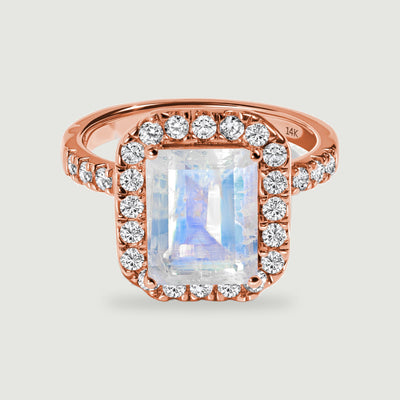
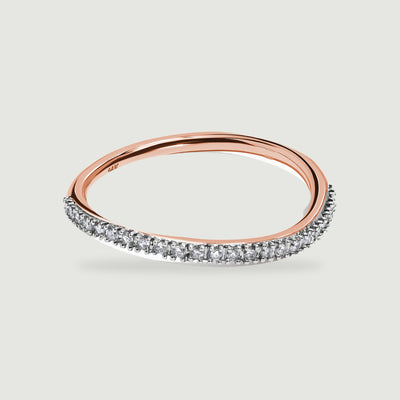
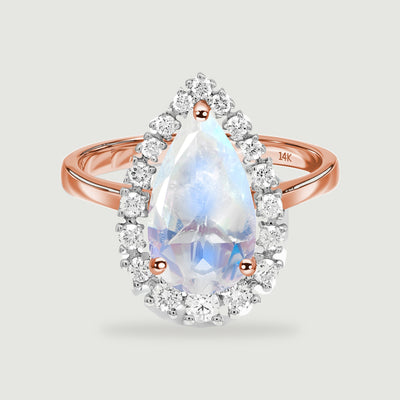
A diamond's material name does not by itself describe its origin or its appearance in a finished ring. Put the natural or laboratory-grown wording beside the cut and visible dimensions when comparing the item. The surrounding metal can frame the same general stone shape in very different ways. A low bezel and an elevated prong design also present different profiles. Look at that side view alongside the front image, because the setting may account for much of what you notice when the ring is worn with another band.
Commitment, continuity and personal milestones
In contemporary jewelry traditions, diamond is often chosen for commitment, anniversaries and important milestones. A family gift may express continuity, while an individual purchase can mark a personal achievement. The symbolic message comes from the occasion and the relationship; the material description and any report explain what is being offered in the specific piece.
A setting for the intended routine
A diamond piece can become an everyday marker of an occasion when its setting suits the wearer's routine. Choose a ring that works with hand use, a pendant length that sits neatly at a neckline or earrings comfortable for the intended wearing time. Keep supplied information with the jewelry, making later care and conversations about the gift easier.
Weight versus visible face and height
Compare visible diameter and setting height as well as stone weight. A low bezel presents a different feel from a raised prong setting. Check metal composition, finish and the availability of item-specific documentation. Use the ring-size guide for the intended finger, then consider how a wider band will feel beside another ring or under a glove.
For an everyday milestone piece, consider whether the wearer prefers a protected edge or a more raised presentation. Gloves, neighboring rings and ordinary hand use can all make the setting profile relevant to the choice. A pendant or earrings may offer another way to mark the occasion without making a ring the default form of a diamond gift. Keep any supplied stone information with the particular jewelry it describes. The message can focus on a commitment, an anniversary or a completed achievement, while the origin, cut and metal description explain the actual object chosen to carry that message.
Edges and the security of a setting
Diamond can still be chipped by a hard blow, particularly at an exposed edge. Take off jewelry for heavy physical work and check its fastenings before continued wear. Remove surface oils gently and store diamond separately from softer stones. Have a loose setting assessed before cleaning it or wearing it again.
Measuring help: the size hub. Care methods: the care guide.
Compare the related material in sterling silver material notes. For item-specific stone information or a side profile, ask Lab.
Cultural and material background: GIA: diamond and other jewelry materials.