material
Black Obsidian: material & care guide

A dark volcanic glass
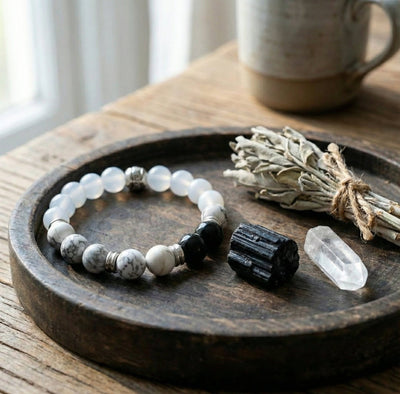
Black obsidian is natural volcanic glass formed as lava cools with little crystal growth. Its glassy surface and dark color make it popular for polished beads and carvings. Obsidian, black onyx and black glass are separate material descriptions, even when a photograph shows a similar dark strand. The listing's identity and treatment notes help explain the particular piece.
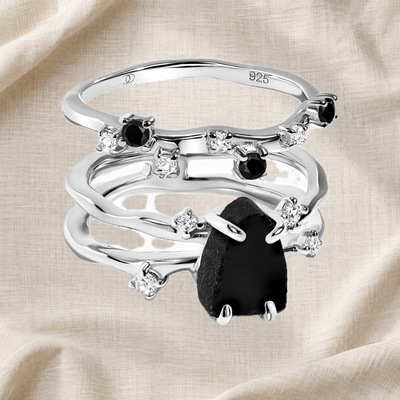
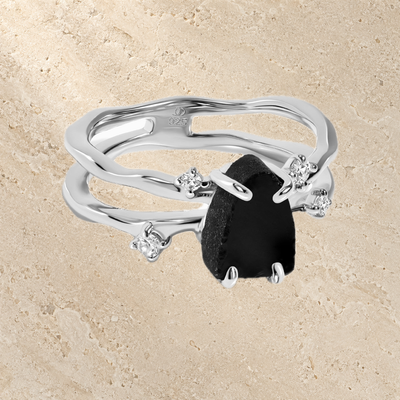
A dark photograph can show several different jewelry materials with similar outlines. Put the name volcanic glass alongside obsidian's polished surface when comparing it with onyx or manufactured black glass. The material identity matters separately from whether the design is plain or carries an auspicious carving. An evenly dark strand may place most of its visual interest in the bead scale and polish, while a pendant can reveal a larger reflective face. Consider which of those appearances you enjoy before using the protection association to choose a specific symbol.
Tools, ornaments and contemporary protection symbolism
Obsidian has a long human history as a material for tools and ornaments, described by the U.S. Geological Survey. In contemporary crystal traditions, black obsidian is associated with grounding, boundaries and Protection. Modern wearers may connect its dark, reflective surface with a deliberate pause or a reminder to protect their time and attention.
A quiet strand or reflection-space object
A simple black-bead bracelet is often worn alone as a quiet daily piece or combined with a symbolic charm. Some people keep a polished obsidian object near a journal or reflection space. Choose a stable place for a carved ornament and handle it over a soft surface, since glassy material deserves protection from accidental drops.
Polish, bead scale and a contrasting accent
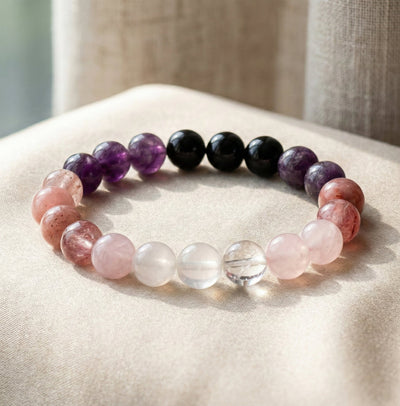
Compare bead diameter, surface polish and the bracelet's usable wrist range. Larger beads make a stronger visual statement and take more room inside a strand. A pale jade or warm metal accent gives contrast; a single black strand feels more understated. Check the size of a carving and the smoothness of its edges before selecting a pendant.
On a bracelet, a pale or warm-toned accent can be the main focal point even when most of the strand is black. Compare that accent's height with the obsidian beads and the way the cord passes through it. A plain strand offers a quieter contrast with a watch, whereas a carved pendant makes the outline more visible at a neckline. For a handled ornament, choose a resting place that allows it to be picked up over a forgiving surface. This follows from the material's glass character and keeps the reflective finish central to the way it is enjoyed.
Glass edges and focal-bead threading
Protect obsidian from knocks and scratches, and keep chipped pieces out of use until assessed.
Measuring help: the size hub. Care methods: the care guide.
The boundaries intention and companion material are described in the protection intention guide and jade material notes. For a carving edge or the focal bead's profile, ask Lab.
Cultural and material background: USGS: obsidian as volcanic glass.