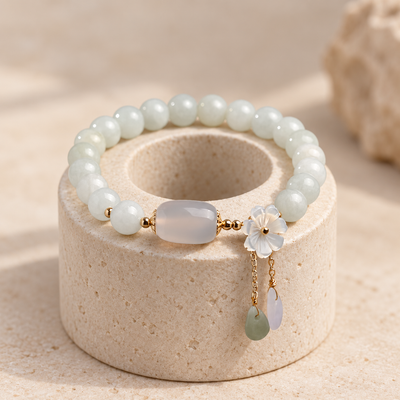
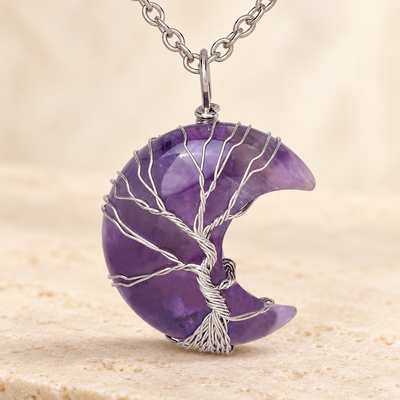
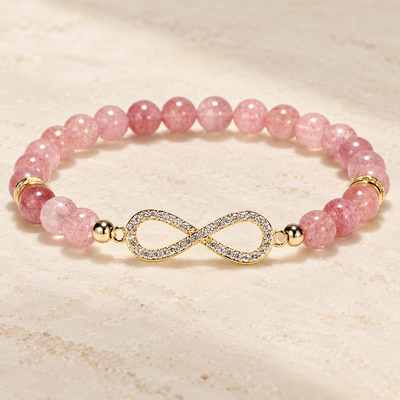
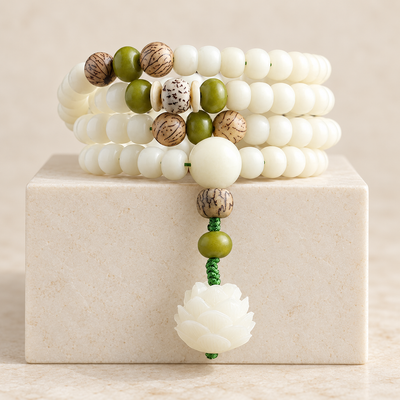
material
Ceramic: material & care guide

Ceramic is a fired material with many clay bodies, glazes and finishes. Its surface can be glossy, matte or textured.
Meaning and everyday style
A crafted material chosen for color and shape rather than a natural-stone story. On this site, an intention is a personal theme or a traditional association. Choose the piece because you enjoy its material, proportions and meaning; the name does not promise a health, financial or protective outcome.
Origin and provenance
A material guide cannot establish where an individual product was mined, grown or made. Read that product’s origin information when it is provided. If provenance matters to your purchase, ask for the available documentation before ordering; an origin is not inferred from a color, motif or supplier trade name.
How to assess a listing
Read glaze and construction notes. A ceramic label is not a stone or gemstone certification. Compare the material name with the dimensions, finish, construction and treatment notes. Ask us about an unclear detail rather than relying on a destructive test or a social-media shortcut.
Care
Avoid dropping it and protect glaze from abrasion. Take the whole piece into account: cord, plating, glue and clasps may need gentler treatment than the main material. Store pieces separately and stop wearing a piece if its fastening is damaged.
Choose a piece that fits
Check bead size or pendant dimensions, then use the size guide. A larger bead can change both weight and fit. For a gift, start with the recipient’s style and preferred construction before choosing a symbolic theme.
For background on gemstone identification, see GIA’s Gem Encyclopedia. Product-specific disclosures remain the basis for your purchase.