material
Lab Diamond: material & care guide
Diamond grown through manufacturing
Laboratory-grown diamond is diamond produced through controlled manufacturing processes, including high-pressure high-temperature growth and chemical vapor deposition. It has essentially the same chemical, physical and optical properties as natural diamond. Cubic zirconia and moissanite are different materials. Look for clear origin wording and any report that belongs to the specific stone when comparing finished jewelry.
Origin and material identity answer separate questions on a laboratory-grown diamond listing. The diamond description identifies the material; the laboratory-grown wording tells you how its growth is described. A simulant such as cubic zirconia or moissanite belongs in a different material comparison. Read any report in relation to the particular stone rather than treating a general explanation of growth methods as item-specific documentation. This keeps the familiar brilliance and the finished design in view while preserving a clear account of the material being selected for the occasion.
Modern commitment and milestone gifts
Laboratory-grown diamonds belong to modern jewelry practice. Wearers may choose them for the familiar symbolism of commitment, a milestone or an enduring connection, with the origin openly described. A Love or confidence intention can be expressed through the reason for the gift, the chosen design and a note about the occasion.
Keeping the origin story clear
A simple ring, stud earring or pendant can mark a graduation, anniversary or personal achievement. Choose a setting that suits how the recipient uses their hands and wears jewelry. Keep any supplied stone information with the piece, and use the origin wording when describing the gift so its story stays clear through future care or gifting.
Stone dimensions within the finished setting
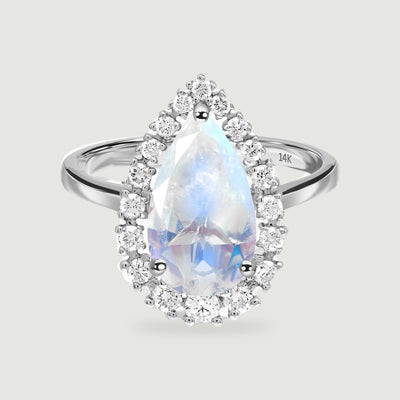
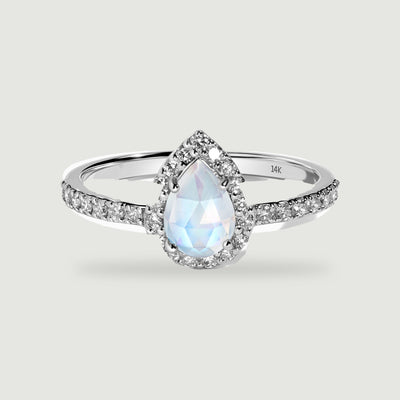
Compare visible dimensions, cut and setting height alongside the stated stone weight. Check the metal's composition and whether a report or inscription is supplied for the item. A low, protected setting can suit frequent wear; a raised setting makes the stone more visible but needs room under gloves or sleeves. Pair with a plain band for a focused design.
For a ring, compare the area of the visible stone with the metal surrounding it and the height at which it is held. A raised setting and a protected low setting can present similar stone dimensions quite differently on the hand. For earrings or a pendant, the attachment and metal finish help determine how the whole design appears rather than the stone weight alone. An anniversary or graduation message can focus on the relationship or achievement being marked. Describe the laboratory-grown origin as part of that gift's actual story, alongside any documentation supplied with the finished piece.
Claws, oils and nearby gems
Remove everyday oils gently so they do not soften the diamond's visible appearance. Check claws and fastenings regularly. Store diamond jewelry apart from softer gems and take it off before heavy physical work. A professional can assess a loose setting before cleaning or continued wear.
Measuring help: the size hub. Care methods: the care guide.
The associated intention and sterling-silver comparison continue in the love intention guide and sterling silver material notes. For item-specific documentation or a setting profile, contact Lab.
Cultural and material background: GIA: natural and laboratory-grown diamonds.