material
Pearl: material & care guide

Mollusk formation and pearl type
Pearls are organic gems formed by mollusks. Natural pearls form without deliberate human initiation; cultured pearls grow through a managed process. Both can have varied shapes and colors, while imitation pearls use different materials. A listing should describe the type being offered. Luster, surface appearance, shape and size together give a strand or pendant its character.
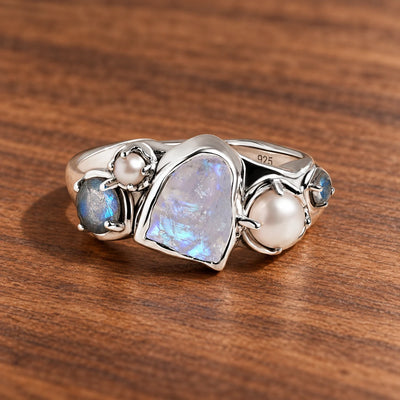
Separate pearl type from appearance at the start of a comparison. Natural, cultured and imitation identify different descriptions, while shape, size, surface character and luster explain what the particular piece looks like. A baroque pearl can give a pendant a distinctive outline that would not be visible in a closely matched round strand. A small pearl accent also presents a different scale from a necklace whose whole effect comes from repeated pearls. Choose the form you enjoy, then keep the stated type with its photographs rather than treating a soft shine as a complete material identification.
Wealth, the moon and gifting traditions
GIA records pearls as treasured symbols of wealth and status over many centuries and notes their association with the moon in several cultures. European traditions also connected pearls with purity. In modern gifting, pearls can express Love, continuity or a June birthday message, with the giver's own words making the occasion personal.
A strand within a dressing routine
A pearl pendant or strand can be chosen for a family milestone, a wedding or an everyday piece with a softer shine. Some wearers put pearls on after dressing and applying cosmetics, then wipe them gently after use. When giving a strand, include its material description and any stringing-care notes so the recipient can build a comfortable routine.
Luster, shape and neighboring surfaces
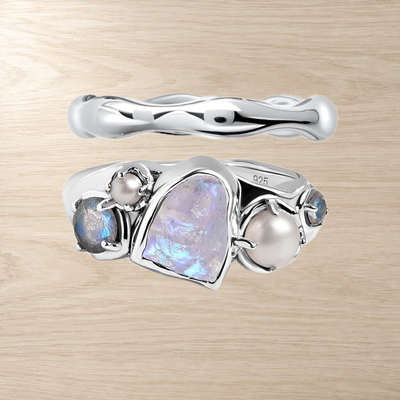
Compare pearl diameter, shape and surface character in the actual product photographs. A small baroque pearl creates a different silhouette from a round, closely matched strand. Check the metal used for posts, clasps and spacers. Pair pearl with silver for a cool look or warm metal for contrast, leaving room for each surface to move without rubbing against another hard piece.
For a family or wedding gift, the strand's arrangement may carry as much personal appeal as a single pearl's diameter. Notice the clasp and any spacers that meet the pearl surfaces. A cool silver accent and a warmer metal detail create different palettes, but both should leave room for the pearls without hard pieces rubbing against them. Someone who likes everyday jewelry may prefer one small pendant; a person who enjoys a complete strand may value its rhythm and matching. A June birthday or family milestone gives the gift a specific occasion while the material description and thread-care notes remain attached to the chosen construction.
Thread, cosmetics and delicate luster
Pearls are delicate and benefit from a soft cloth and gentle handling. Keep them clear of perfume, strong cleaners, heat and abrasive contact. Follow the listing's advice for any strand and let damp stringing dry fully before wearing. Store pearl jewelry in its own soft space, and inspect the thread and clasp when a strand is worn frequently.
Measuring help: the size hub. Care methods: the care guide.
The love intention and metal pairing are discussed in the love intention guide and sterling silver material notes. For the pearl type, clasp or strand construction, contact Lab.
Cultural and material background: GIA: pearl identification and research; additional material background.